In one of our blogs, we listed five surprising crops you can grow by shipping container farming. Now, we have five more for you! Lettuces, herbs and other leafy greens are the most common choices for container farmers, but there are numerous crops that can be grown hydroponically. As a result, it can be hard to know what you ought to grow inside a container farm.
In this article, you’ll learn about the types of crops grow well hydroponically and we’ll also cover five more surprising crops you can grow in a container farm.
Peppers
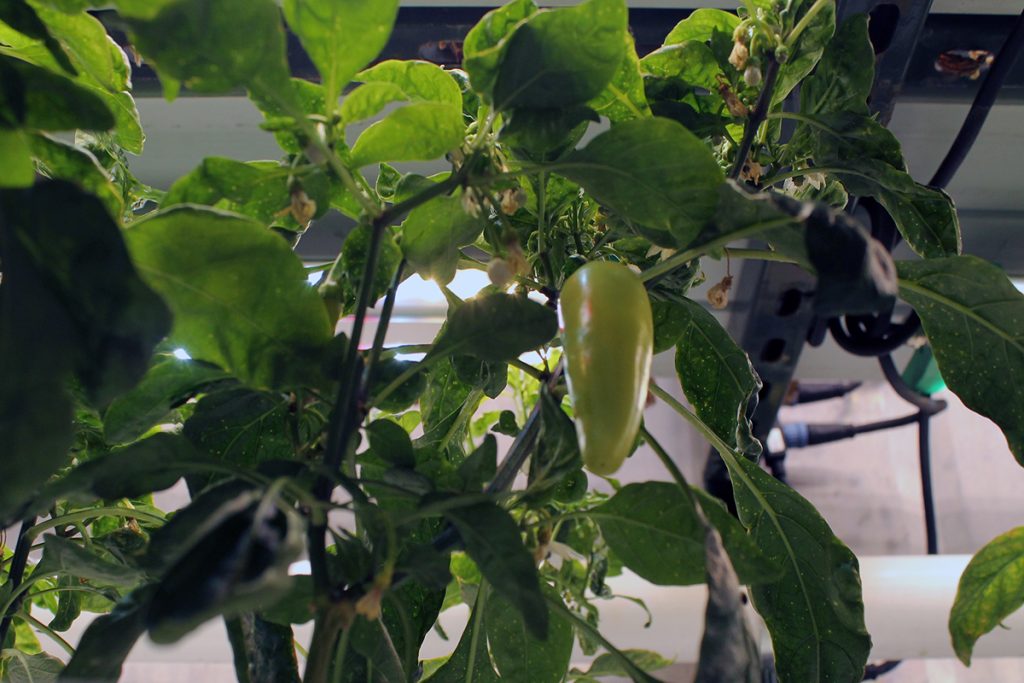
Peppers, from jalapeños to Carolina Reapers and Ghost Peppers, are a popular choice for growers that want to meet the needs of sweating spice-ophile’s around the world. While peppers present some challenges for hydroponic growers, like the plant’s tendency to grow adventurous branches that might cause problems in compact grow systems, this can be alleviated with persistent pruning.
Additionally, peppers have different nutrient demands depending on their grow stage. For instance, during pre-fruiting stages, peppers do well with nitrogen-rich solutions. About two weeks before blooming, it’s advisable to modify the solution with additional potassium and phosphorus to support the plant through its fruiting stage.
An advantage of growing peppers with shipping container farming is that the mature plants produce peppers with more oil content when compared to field-grown crops. Alongside locating container farms closer to consumers, this results in more potent peppers. Now isn’t that a hot, hot, HOT, idea?
Mint
Mint is notorious for its persistence when it’s grown outdoors. Once this perennial herb takes root, it quickly overwhelms other crops nearby. Maybe it’s best to keep this sweet-smelling beast inside, in a shipping container farm instead. Mint is challenging to grow outdoors, with susceptibility to diseases that cost farmers a hefty sum to fumigate.
Mint is an especially sensitive plant, which makes it a difficult plant to cultivate alongside plants with different pH and nutrient needs. If not grown correctly, mint loses its potent smell. What’s worse than a mint plant that doesn’t smell mint-y?
However, with a regular harvesting schedule, where the mint crops are all in a similar growing stage, you can work with mint’s sensitivity and grow the crop successfully.
Chives
Another sensitive perennial plant that you can grow in shipping container farming are chives. This herb is special among herbs because it tends to repel insects. This is because the plant has high amounts of sulfur compounds inside its green stems.
A challenge of growing chives in hydroponic systems is the plant’s sensitive roots. These roots like their space, so they might work well in systems growing alongside other small herbs and seasonings.
These green plants are a great addition to a hydroponic operation, and are another surprising, but welcome crop you might not have considered growing in shipping container farming.
Bok Choy
Boy choy is a type of Chinese cabbage. This vegetable has experienced increased popularity in recent years. With juicy and crunchy stems, bok choy is commonly used in stir-fry cooking, as it absorbs the flavors of other things cooked alongside it.
Similar to mint, bok choy is a crop that should be grown with a coordinated harvest schedule. In addition to that, grow bok choy alongside other crops that do well in nitrogen-rich solution, like leafy greens. Whether you’re selling them for restaurant use or for your personal garden, this hearty green crop will make a friendly addition to any container farm.
Cucumbers
Cucumbers are a versatile crop that can be used for a variety of meals, sauces and products. From pickling to cucumber sandwiches, face washes and juices, this creeping vine plant is an unexpected, but welcome crop in a shipping container farming ecosystem.
Cucumbers have a historical connection to greenhouses, but hydroponic container farms are also a great place to grow this gourd. The biggest challenge of growing hydroponic cucumbers is the impressive size of the plant’s foliage. This allows them to absorb plenty of energy from a system’s grow lights, but they also function as shielding umbrellas for pests.
While growers in shipping container farming don’t have to worry about pest infestations as much as their outdoor counterparts, fungus gnats and other small insects can hide behind cucumber plants’ large leaves, making it harder to notice them before it’s too late. Because of this, we advise cutting leaves you think may be unnecessary.
This extra work is worth it because cucumbers have many different exotic varieties that can only be cultivated in specific regions around the world. Because of the climate control of shipping container farming, growers can cultivate them without concern for local climate conditions. This opens up new markets for those who operate shipping container farms.

What Makes Shipping Container Farming a Great Idea?
Shipping container farming has many benefits for aspiring agricultural entrepreneurs interested in making their way in the business of agriculture. For instance, container farming offers a climate-controlled space that makes a perfect growing area for the crops listed above.
Growers can adjust the pH, nutrient combination and air quality of the environment, creating ideal conditions for plant cultivation.
Shipping container farming presents a promising solution to the challenges of modern agriculture, providing an insulated growing environment that can grow crops regardless of the climate outside.
That gives growers more versatility when it comes to farm location, allowing them to place their operations closer to their customers, saving on transportation costs and reducing carbon emissions caused by lengthy supply chains.

Summary
Shipping container farming is not only a viable solution to modern agricultural challenges but also a gateway to a world of surprising and diverse crops. From the heat of peppers to the coolness of cucumbers, the refreshing scent of mint to the insect-repelling chives and the hearty bok choy, the possibilities are nearly endless.
These crops, each with their unique growth requirements and benefits, exemplify the versatility and adaptability of container farming. By harnessing the power of hydroponics and climate control, growers can cultivate a wide range of crops, opening up new markets and opportunities.
So, whether you’re an aspiring farmer or a seasoned agricultural entrepreneur, consider the potential of shipping container farming and the surprising crops it can yield. The future of agriculture may just be a container away!
Pure Greens manufactures turnkey container farms that growers can customize to their liking. Interested in learning more about how you can cultivate crops in one of our container systems? Contact us today.